
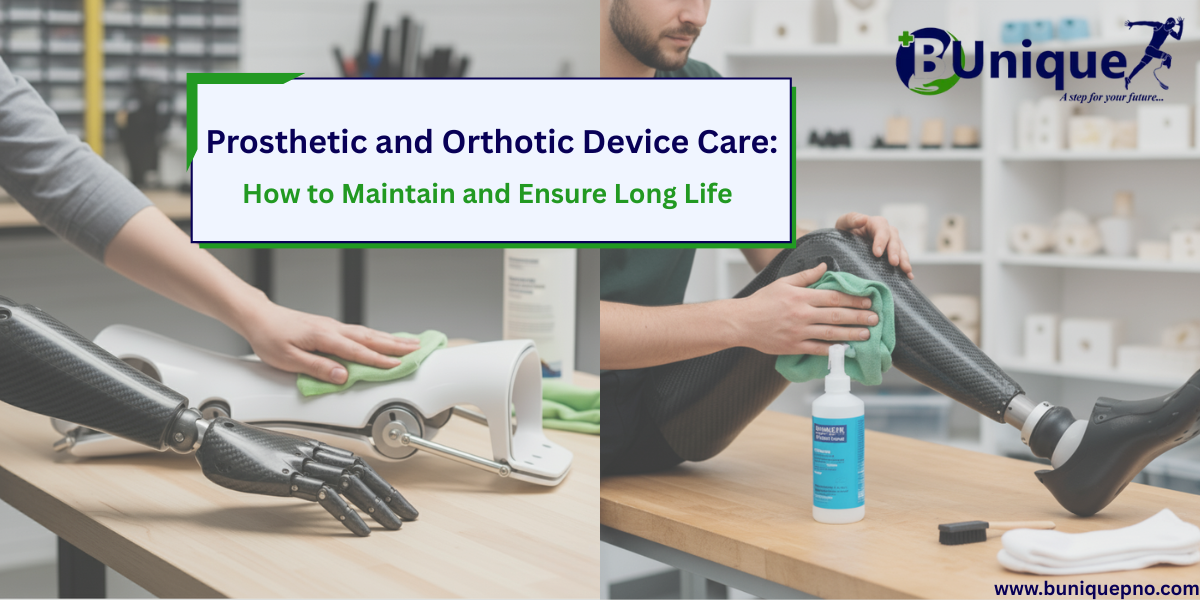
When you receive a custom prosthetic or orthotic device, it becomes much more than a medical aid – it becomes a part of your everyday life. Whether you wear it for mobility, support, or independence, taking good care of it is essential for comfort, safety, and long-term use. That’s where proper Prosthetic and Orthotic Device Care comes in.
Caring for your device isn’t complicated, but it does require consistency and awareness. From daily cleaning to routine inspections, small efforts can help prevent wear, odor, and discomfort – while extending the lifespan of your device.
In this blog, we’ll cover practical prosthetic device maintenance and orthotic device maintenance tips, explain how to care for a prosthetic limb, and share professional advice on keeping your device in top condition for years to come.
Prosthetic and Orthotic Device Care
Effective Prosthetic and Orthotic Device Care isn’t just about appearance – it’s about function and longevity. Over time, sweat, friction, and daily wear can weaken materials, cause irritation, and affect the device’s alignment. Without proper maintenance, even minor issues can lead to discomfort or skin problems.
Regular prosthetic device maintenance ensures that the mechanical and structural components of your prosthesis work smoothly. Similarly, orthotic device maintenance helps maintain proper support and stability, especially if you rely on a brace or corrective orthotic for movement.
At B Unique PNO, we always remind users that a little care every day goes a long way toward improving comfort, performance, and the overall life of your device.
Daily Care Routine for Prosthetic and Orthotic Users
A consistent daily care routine for orthotic users and prosthetic users is the foundation of long-term comfort and durability. Here’s what your everyday care should look like:
- Clean your device after each use
Wipe the socket or brace with a mild, non-alcoholic cleaning solution or damp cloth to remove sweat and bacteria buildup. - Inspect for damage
Check for cracks, loose screws, or unusual sounds – these could be early warning signs. - Dry thoroughly
Moisture is the biggest enemy of long-lasting prosthetic devices. Always air-dry your device completely before wearing or storing it. - Practice good hygiene
Follow prosthetic limb hygiene tips to keep your skin clean and prevent irritation or odor. - Follow manufacturer guidelines
Every device has unique care instructions, especially when it comes to liners or cushioning.
When followed regularly, this Prosthetic and Orthotic Device Care routine can significantly extend your device’s performance and lifespan.
Prosthetic Device Maintenance: Keeping Functionality Intact
Regular prosthetic device maintenance is essential to ensure your limb functions as naturally as possible. A prosthesis has multiple components – socket, liner, joints, and straps – that must work seamlessly together.
Here’s what to do:
- Clean liners daily using mild soap and water, then air dry.
- Avoid harsh chemicals that can damage silicone or gel materials.
- Check alignment regularly – any imbalance can cause discomfort or strain.
- Lubricate joints (if advised by your prosthetist) to prevent stiffness.
- Monitor for loose fittings to avoid mechanical wear.
Performing these simple steps as part of your Prosthetic and Orthotic Device Care routine ensures optimal fit and comfort. And remember – if something feels off, don’t try to fix it yourself. Seek help from a professional prosthetic care specialist instead.
Orthotic Device Maintenance: Clean, Inspect, and Protect
Just like prosthetics, orthotic braces need consistent upkeep. Whether it’s a spinal brace, knee orthosis, or foot orthotic, proper orthotic device maintenance prevents odor, material damage, and discomfort.
Follow this orthotic cleaning and maintenance guide for best results:
- Remove padding or straps (if detachable) and clean them separately.
- Wipe the brace surface daily with a mild antiseptic or damp cloth.
- Avoid soaking in water, especially if your device has metal hinges or joints.
- Dry in a well-ventilated area – never under direct sunlight.
- Inspect straps and fasteners weekly to ensure they haven’t worn out.
These orthotic brace cleaning and maintenance tips help preserve the device’s structural integrity and user comfort while extending its overall lifespan.
How to Care for a Prosthetic Limb Properly
When learning how to care for a prosthetic limb, it’s important to focus on both device hygiene and skin care. Since the prosthetic socket sits directly on your skin, cleanliness is vital to prevent irritation or infection.
Here are some best practices for prosthetic limb care:
- Clean your stump (residual limb) daily with mild soap and water.
- Dry the area completely before putting the prosthesis back on.
- Use prosthetic socks or liners to reduce friction and absorb sweat.
- Avoid alcohol-based cleaners that can dry or damage socket materials.
- Inspect the prosthesis for signs of cracking, rough edges, or rust.
Practicing these prosthetic limb hygiene tips regularly enhances comfort, prevents skin irritation, and supports long-lasting performance.
Extending the Life of Prosthetic and Orthotic Devices
The goal of every user is to extend the life of prosthetic and orthotic devices without compromising comfort or performance. The secret lies in consistent care and timely servicing.
Here’s what you can do:
- Follow your provider’s care plan for cleaning and inspection.
- Avoid exposing your device to extreme temperatures or humidity.
- Use proper storage for prosthetic limbs – keep them dry, upright, and dust-free.
- Schedule professional servicing every 6–12 months.
- Avoid DIY repairs – they can cause further damage.
Remember, maintaining Prosthetic and Orthotic Device Care habits can help your device stay strong, functional, and supportive for many years.
When to Service Your Prosthetic or Orthotic Device
Knowing when to service your prosthetic or orthotic device is just as important as daily cleaning. Regular check-ups by a professional prosthetic care expert can identify issues early and prevent costly replacements.
Here are signs your device needs servicing:
- Loose or squeaky joints
- Discomfort while walking or wearing
- Visible cracks or rust
- Skin irritation or pressure marks
- Decreased stability or control
Timely servicing ensures safety and functionality – key aspects of reliable Prosthetic and Orthotic Device Care.
Avoiding Damage to Prosthetic and Orthotic Devices
Even with the best intentions, some habits can unintentionally cause damage. Here are common maintenance mistakes to avoid:
- Using alcohol-based or abrasive cleaners
- Ignoring minor cracks or loose parts
- Over-tightening screws or joints
- Leaving the device wet after cleaning
- Exposing it to sunlight or direct heat
To truly avoid damage to prosthetic and orthotic devices, always follow the manufacturer’s and clinic’s advice. A little carelessness can significantly reduce your device’s durability and comfort.
Proper Storage for Prosthetic Limbs and Orthotic Devices
Proper storage for prosthetic limbs is often overlooked, but it’s vital for preserving materials and alignment. When not in use:
- Store your prosthesis in a cool, dry place.
- Keep it upright to avoid shape distortion.
- Avoid placing heavy objects on it.
- Use soft covers to protect from dust or scratches.
Similarly, orthotic devices should be stored flat or in their original cases. Following these Prosthetic and Orthotic Device Care practices ensures your device remains ready for use at all times.
Professional Prosthetic Care Tips from Experts

Sometimes, only experts can identify subtle wear or hidden issues. Here are professional prosthetic care tips recommended by specialists at B Unique PNO:
- Schedule a check-up every 6 months for prosthetic device maintenance.
- Request alignment tests if your walking feels uneven.
- Replace liners or straps when they lose elasticity.
- Seek guidance on orthotic cleaning and maintenance for your specific model.
- Don’t ignore discomfort – it’s your body’s way of signaling a problem.
Trusting professional insight ensures you get the most out of your Prosthetic and Orthotic Device Care routine.
Common Maintenance Mistakes to Avoid
It’s easy to make small mistakes that can lead to big problems. Here are some common maintenance mistakes to avoid:
- Using heat to dry the device
- Skipping daily cleaning
- Failing to report small cracks early
- Using low-quality replacement parts
- Forgetting to clean liners or straps
Avoiding these errors will keep your long-lasting prosthetic devices in great condition, ensuring you stay comfortable and confident every day.
Conclusion: Consistent Care Leads to Confidence
Maintaining your prosthetic or orthotic device isn’t just a responsibility – it’s a way to protect your mobility, independence, and lifestyle. With the right Prosthetic and Orthotic Device Care habits, you can keep your device performing like new, reduce discomfort, and extend its lifespan.
From regular prosthetic device maintenance to mindful orthotic device maintenance, every action counts. Clean it daily, store it safely, and schedule regular servicing with trusted professionals like B Unique PNO.
Your device works hard to support you – give it the care it deserves, and it will serve you faithfully for years to come.
Also Read: What Is Cosmetic Restoration in Prosthetics? A Complete Guide
👉 Follow Us on Social Media! Stay Connected & Stay Ahead! 👇
📘 Facebook || 📸 Instagram || 💼 LinkedIn || 🎯 Twitter || 📌 Pinterest


0 Comments