
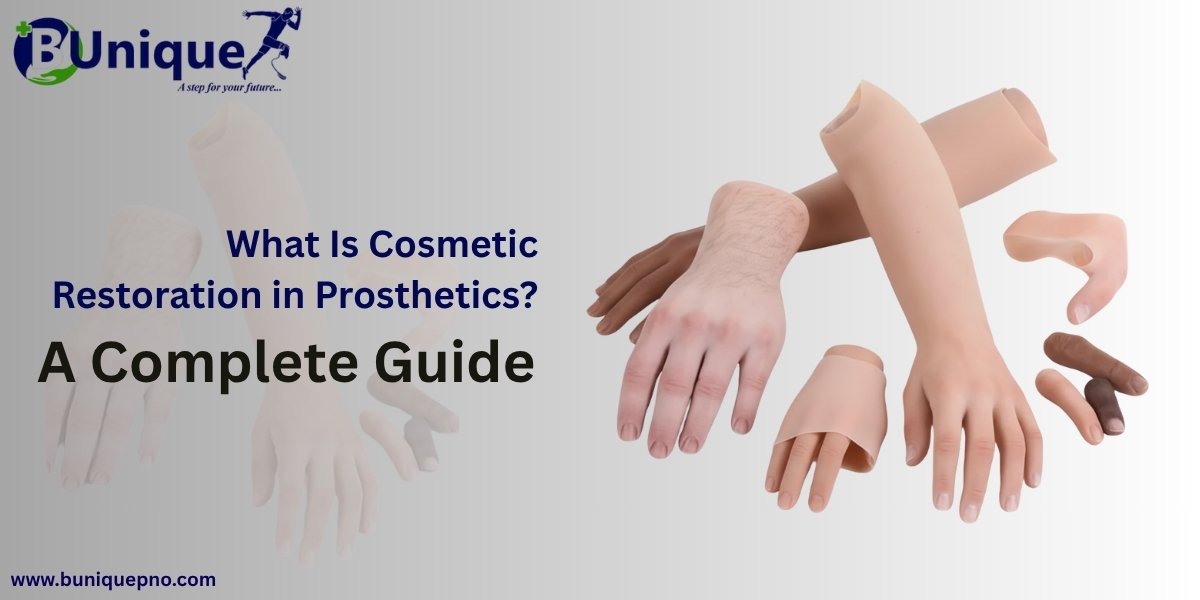
Cosmetic restoration in prosthetics has become a pivotal aspect of modern prosthetic care. For individuals who have lost a limb, regaining not only functionality but also a natural appearance is essential. Cosmetic Restoration in Prosthetics bridges the gap between medical functionality and aesthetic appeal, providing amputees with prosthetic solutions that look and feel natural. In this comprehensive guide, we will explore what is cosmetic restoration in prosthetics, its benefits, techniques, and how it transforms the lives of amputees.
Understanding Cosmetic Restoration in Prosthetics
At its core, cosmetic restoration in prosthetics focuses on enhancing the appearance of prosthetic limbs while maintaining their functionality. This process is crucial for amputees who want their prosthetic limbs to blend seamlessly with their natural body. Unlike standard prosthetics that focus primarily on mobility and support, cosmetic prosthetics restoration emphasizes realism, aesthetics, and personalization.
The primary goal of cosmetic restoration in prosthetics is to create natural-looking prosthetic limbs that match the individual’s skin tone, texture, and anatomical features. This approach ensures that prosthetic limbs do not just restore mobility but also confidence and self-esteem.
What Is Cosmetic Restoration in Prosthetics?
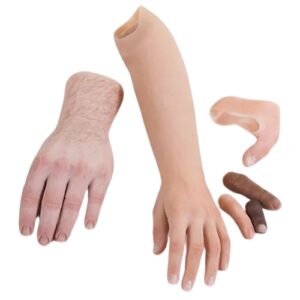
What is cosmetic restoration? In the context of prosthetics, it refers to the process of enhancing the visual appeal of an artificial limb. Through advanced techniques, materials, and customization, prosthetic experts can replicate the natural contours, color, and texture of real limbs. What Is Cosmetic Restoration in Prosthetics aims to ensure that prosthetic limbs are virtually indistinguishable from natural limbs, making the wearer feel more comfortable in social and professional settings.
The Prosthetic Restoration Process
The prosthetic restoration process involves several detailed steps to achieve a natural and functional prosthetic limb:
- Assessment and Consultation – Every restoration begins with a detailed consultation. Experts evaluate the patient’s needs, skin tone, and anatomical structure to design a prosthetic that looks realistic.
- Molding and Impression – Custom molds of the residual limb are created to ensure perfect fitting. This step is vital for both comfort and functionality.
- Material Selection – Advanced materials like silicone, medical-grade polymers, and lightweight plastics are chosen for their durability and natural appearance. Silicone prosthetic restoration is especially popular for its lifelike texture.
- Color Matching and Detailing – Skilled prosthetists meticulously match the prosthetic’s color to the patient’s skin tone. Details like veins, freckles, and nails are added to enhance realism.
- Fitting and Adjustment – After the prosthetic is crafted, it undergoes fitting sessions. Adjustments are made to ensure comfort, mobility, and a natural appearance.
- Final Evaluation – The completed prosthetic is evaluated for aesthetic appeal, functionality, and comfort.
This detailed prosthetic restoration process ensures that each limb not only restores mobility but also enhances the wearer’s confidence.
Types of Cosmetic Prosthetics
Types of cosmetic prosthetics vary based on the patient’s needs, level of amputation, and desired realism. Some of the most common types include:
- Upper Limb Prosthetics – These include hands, fingers, and arms. Custom cosmetic prosthetics for the upper limb are often detailed to replicate veins, nails, and skin tone.
- Lower Limb Prosthetics – Legs and feet designed to match the patient’s natural limb. Artificial limb cosmetic restoration for lower limbs focuses on realistic skin tone, contours, and movement.
- Facial Prosthetics – Cosmetic restoration also extends to facial prosthetics for patients with partial facial loss.
- Partial Limb Prosthetics – For individuals missing fingers, toes, or partial hands/feet, cosmetic restoration for amputees ensures the artificial part blends naturally.
Each type of prosthetic is tailored to the wearer’s body and lifestyle, providing both functionality and aesthetic appeal.
Benefits of Cosmetic Restoration in Prosthetics
The benefits of cosmetic restoration in prosthetics extend far beyond appearance. While creating natural-looking prosthetic limbs is important, these benefits also include psychological and social advantages:
- Improved Self-Confidence – Wearing a limb that looks natural allows amputees to feel comfortable in social situations.
- Enhanced Mental Health – Reduced stigma and better self-image contribute to improved mental well-being.
- Customization – Custom cosmetic prosthetics ensure that each limb is tailored to the individual, including color, shape, and anatomical details.
- Functionality and Comfort – Modern cosmetic prosthetics combine appearance with mobility, allowing amputees to perform daily activities with ease.
- Social Acceptance – Cosmetic restoration services for prosthetics reduce the visible signs of amputation, helping users integrate more seamlessly into society.
By addressing both aesthetic and functional needs, how cosmetic restoration improves appearance significantly impacts the overall quality of life for amputees.
Advanced Cosmetic Restoration Techniques in Prosthetics
Cosmetic restoration techniques in prosthetics have evolved significantly, integrating new materials, digital technology, and artistic detailing. Some advanced techniques include:
- Silicone Prosthetic Restoration – Silicone is widely used due to its lifelike texture and flexibility. Silicone prosthetic restoration allows for realistic skin movement and appearance.
- 3D Scanning and Printing – Digital scans of the residual limb help create perfectly fitting custom cosmetic prosthetics, reducing discomfort and enhancing realism.
- Hand-Painted Detailing – Prosthetists use artistic techniques to replicate skin tone variations, veins, and freckles, making cosmetic prosthetics restoration nearly indistinguishable from natural limbs.
- Layering Techniques – Multi-layered materials create depth, realism, and a natural translucency in artificial limb cosmetic restoration.
- Modular Prosthetic Components – Interchangeable cosmetic covers allow users to update their prosthetic’s appearance or adjust for seasonal changes in skin tone.
These innovations have transformed cosmetic restoration in prosthetics from simple aesthetic enhancement to a sophisticated blend of art and medical technology.
Cosmetic Restoration Services for Amputees in India
In India, specialized cosmetic restoration services in Vijayawada and cosmetic restoration services in Andhra Pradesh are making prosthetics more accessible. These centers provide:
- Comprehensive Assessments – Understanding the patient’s lifestyle, expectations, and anatomy.
- Advanced Prosthetic Restoration Solutions – Using silicone prosthetic restoration, 3D printing, and custom cosmetic prosthetics.
- Aesthetic Prosthetic Restoration – Creating natural-looking prosthetic limbs for everyday use and social acceptance.
- Ongoing Support – Adjustments, maintenance, and enhancements to improve long-term functionality and appearance.
By choosing expert cosmetic restoration services for prosthetics, amputees gain access to advanced prosthetic restoration solutions tailored to their needs.
How Cosmetic Restoration Improves Appearance and Function
How cosmetic restoration improves appearance goes beyond color and shape. By focusing on aesthetic prosthetic restoration, these services ensure:
- Natural Integration – Prosthetics blend seamlessly with the wearer’s body.
- Enhanced Mobility – Comfort and fit improve overall movement, preventing discomfort.
- Psychological Benefits – A limb that looks real boosts confidence and reduces self-consciousness.
- Durability – Modern materials and restoration techniques make prosthetics long-lasting and functional.
Through cosmetic prosthetics restoration, amputees not only regain a limb’s appearance but also enjoy the benefits of a functional, comfortable, and realistic prosthetic.
Choosing the Right Cosmetic Prosthetics
When selecting types of cosmetic prosthetics, consider the following factors:
- Lifestyle Needs – Active users may require durable and functional custom cosmetic prosthetics.
- Aesthetic Preferences – For those prioritizing appearance, artificial limb cosmetic restoration with hand-painted details is ideal.
- Budget and Accessibility – Advanced restoration techniques may vary in cost.
- Professional Expertise – Access to experienced specialists ensures high-quality cosmetic restoration in prosthetics.
By understanding these considerations, amputees can choose prosthetics that meet both functional and aesthetic goals.
Conclusion
Cosmetic restoration in prosthetics represents a significant advancement in modern prosthetic care. From enhancing appearance to improving confidence and mental well-being, the benefits of cosmetic prosthetics restoration are profound. By understanding what is cosmetic restoration, following the prosthetic restoration process, and exploring the types of cosmetic prosthetics, amputees can regain both functionality and natural appearance.
Whether through silicone prosthetic restoration, custom cosmetic prosthetics, or advanced cosmetic restoration techniques in prosthetics, modern solutions are transforming lives. In regions like Vijayawada and Andhra Pradesh, specialized cosmetic restoration services in prosthetics ensure amputees receive aesthetic prosthetic restoration tailored to their needs.
With ongoing advancements, cosmetic restoration for amputees continues to bridge the gap between medical functionality and a natural, confident appearance, making it an essential component of comprehensive prosthetic care.
FAQs
Q1: What is cosmetic restoration in prosthetics?
Answer: Cosmetic restoration in prosthetics is the process of enhancing the appearance of prosthetic limbs while maintaining functionality. It focuses on creating natural-looking prosthetic limbs through advanced techniques.
Q2: How does cosmetic restoration improve the appearance of prosthetics?
Answer: How cosmetic restoration improves appearance includes realistic color matching, anatomical detailing, and custom shaping to replicate natural limbs.
Q3: What types of cosmetic prosthetics are available?
Answer: Common types of cosmetic prosthetics include upper limb, lower limb, facial, and partial limb prosthetics, each tailored to the individual.
Q4: What materials are used in prosthetic restoration?
Answer: Materials such as silicone, medical-grade polymers, and 3D-printed components are widely used in silicone prosthetic restoration.
Q5: Where can I find cosmetic restoration services in India?
Answer: Specialized centers offering cosmetic restoration services in Vijayawada and cosmetic restoration services in Andhra Pradesh provide advanced prosthetic solutions for amputees.
Also Read: What Are Orthotics? Understanding Their Role in Mobility and Support
👉 Follow Us on Social Media! Stay Connected & Stay Ahead! 👇
📘 Facebook || 📸 Instagram || 💼 LinkedIn || 🎯 Twitter || 📌 Pinterest

0 Comments