
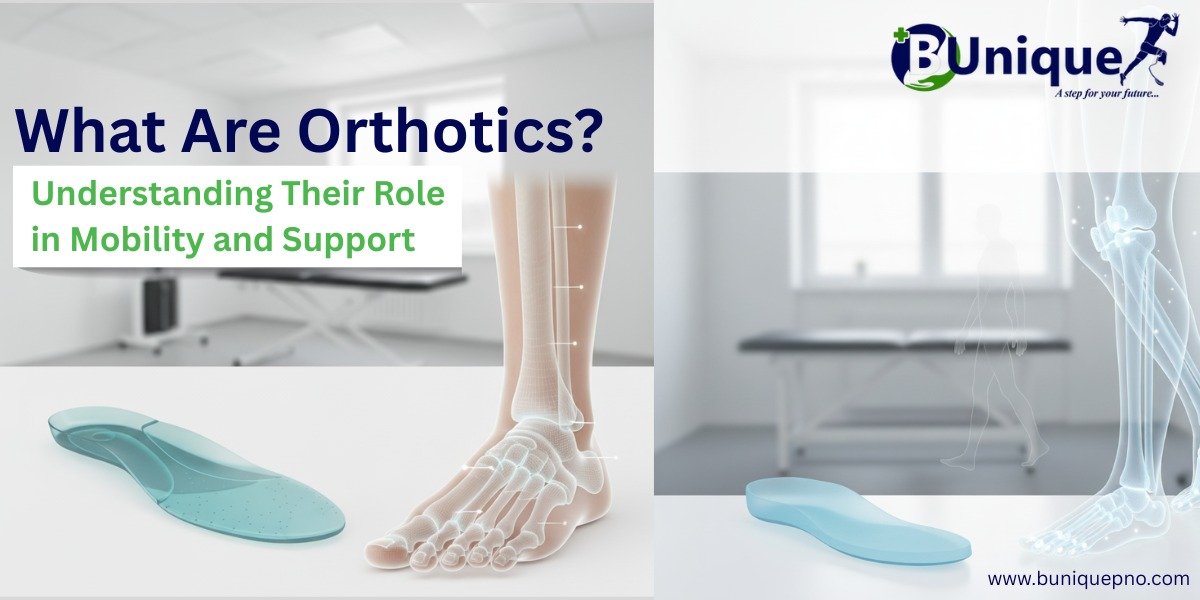
Mobility is central to living an active and independent life, yet many individuals face challenges due to foot, leg, or lower limb issues. This is where orthotics play a crucial role. Understanding what are orthotics, their types, benefits, and how they improve mobility can empower individuals to make informed choices about their foot and leg health. In this article, we will explore the essential aspects of orthotics for mobility support and how these devices contribute to overall comfort, stability, and rehabilitation.
What Are Orthotics?
Understanding Orthotics:
What are orthotics? Orthotics are specially designed devices intended to support, align, or improve the function of the foot and lower limbs. These devices can be customized to meet the unique needs of each individual, addressing issues such as flat feet, high arches, plantar fasciitis, and other biomechanical problems. By distributing pressure evenly and improving posture, orthotics enhance mobility and reduce discomfort during daily activities.
Healthcare professionals, particularly podiatrists and physiotherapists, often recommend orthotics for mobility support to individuals experiencing pain, instability, or reduced walking efficiency. The primary goal of orthotic devices is to provide relief, prevent further injury, and improve functional movement.
The Role of Orthotics in Mobility
The role of orthotics in mobility extends beyond simple foot support. Orthotics help correct structural imbalances, reduce pain, and enhance the overall function of the lower limbs. By improving alignment and distributing forces evenly across the foot, orthotic devices allow for more efficient walking, running, and other activities.
When discussing the role of orthotics in mobility, it’s important to consider their impact on posture and balance. Poor foot mechanics can lead to misalignment in the knees, hips, and spine, causing discomfort or long-term joint issues. Properly fitted orthotics correct these imbalances, providing both immediate relief and long-term benefits.
Types of Orthotic Devices
🦶 1. Foot Orthotics (Insoles or Footbeds)
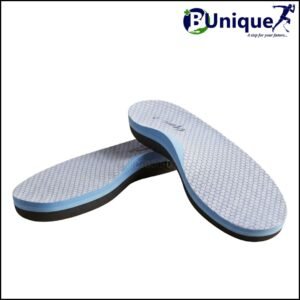
These are the most common type of orthotics. They are custom-made or prefabricated inserts placed inside shoes to support foot structure and function.
Types include:
- Rigid orthotics: Made of hard materials (like plastic or carbon fiber) to control foot motion and relieve pain from strain or imbalance.
- Soft orthotics: Made of cushioned materials to absorb shock and reduce pressure on sore spots.
- Semi-rigid orthotics: Combine both materials for athletes or active users to enhance balance and performance.
Used for: Flat feet, plantar fasciitis, heel pain, overpronation, and arthritis.
🦵 2. Ankle-Foot Orthosis (AFO)
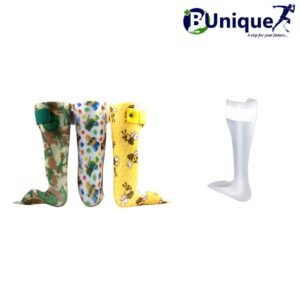
A brace that supports the foot and ankle, maintaining alignment and stability.
Used for: Foot drop, cerebral palsy, stroke recovery, or muscle weakness.
🦵 3. Knee-Ankle-Foot Orthosis (KAFO)
Extends from the thigh to the foot, providing full leg support.
Used for: Paralysis, muscle weakness (like polio), or post-surgical stabilization.
🦿 4. Knee Orthosis (KO)
A brace worn around the knee to control movement, reduce pain, or support recovery.
Used for: ACL injuries, osteoarthritis, or sports-related injuries.
🦴 5. Hip-Knee-Ankle-Foot Orthosis (HKAFO)
A comprehensive orthotic device that stabilizes the hip, knee, ankle, and foot.
Used for: Severe lower limb weakness or paralysis.
💪 6. Upper Limb Orthotics
Supports or corrects conditions of the upper body.
Types include:
- Wrist-Hand Orthosis (WHO): For wrist support in carpal tunnel or tendon injuries.
- Elbow Orthosis (EO): Helps with elbow positioning and contracture prevention.
- Shoulder Orthosis (SO): Provides stability post-injury or post-surgery.
🧍 7. Spinal Orthotics (Back Braces)
Support or immobilize the spine to correct posture or treat spinal conditions.
Types include:
- Cervical Orthosis: For neck support (e.g., cervical collar).
- Thoracolumbosacral Orthosis (TLSO): Used for scoliosis or spinal fractures.
- Lumbosacral Orthosis (LSO): Supports the lower back for lumbar pain or injury.
🧒 8. Pediatric Orthotics
Custom orthotic devices designed for children with developmental or neurological conditions.
Used for: Cerebral palsy, clubfoot, scoliosis, or gait correction.
Benefits of Orthotics
The benefits of orthotics extend far beyond alleviating foot pain. Some key advantages include:
- Pain Relief: Orthotics for pain relief can significantly reduce discomfort caused by plantar fasciitis, bunions, or heel spurs.
- Improved Posture: How orthotics improve posture by correcting foot alignment, which positively impacts knees, hips, and spine.
- Enhanced Stability: How orthotics enhance stability during walking or running, reducing the risk of falls.
- Custom Support: Custom orthotics for better movement offer tailored solutions for individual biomechanical needs.
- Rehabilitation Aid: Importance of orthotics in rehabilitation is vital for patients recovering from injuries or surgeries.
These benefits underscore the importance of consulting a professional to determine the most suitable orthotic support for walking or other activities.
Orthotics in Daily Life
Choosing the best orthotics for daily comfort involves understanding your specific needs and lifestyle. Whether you spend long hours standing, enjoy sports, or are recovering from a lower limb injury, orthotics provide support tailored to these activities. Regular use of orthotic devices for lower limbs can prevent strain, enhance mobility, and reduce fatigue.
Orthotic treatment for leg and foot pain is particularly useful for individuals who experience discomfort during everyday activities. Incorporating orthotics into daily routines can result in improved energy levels, better posture, and decreased risk of further injury.
Orthotics and Pain Relief
Orthotics for pain relief are designed to target specific issues in the feet and lower limbs. By distributing pressure evenly, these devices reduce stress on painful areas. Common conditions treated with orthotics include:
- Plantar fasciitis
- Flat feet and high arches
- Heel spurs
- Arthritis-related foot pain
The proper selection of orthotic devices ensures that patients receive the maximum benefit, whether for orthotic support for walking, sports activities, or rehabilitation purposes.
How Orthotics Improve Posture and Stability
How orthotics improve posture is a crucial aspect of their functionality. Misaligned feet can lead to uneven weight distribution, affecting the knees, hips, and spine. Orthotics correct these imbalances, enabling better body alignment.
Similarly, how orthotics enhance stability is essential for maintaining balance during movement. Stability is particularly critical for elderly individuals or those recovering from lower limb injuries. Orthotics provide support that promotes confident, pain-free walking..
Orthotics and Physical Therapy
Orthotics and physical therapy often go hand-in-hand in rehabilitation programs. Orthotics assist in correcting foot mechanics, while physical therapy strengthens muscles and improves flexibility. Together, they create a comprehensive approach for recovery and enhanced mobility.
The importance of orthotics in rehabilitation cannot be overstated, especially for post-surgery recovery, sports injuries, or chronic conditions affecting the feet and lower limbs.
Finding the Best Orthotics Clinic
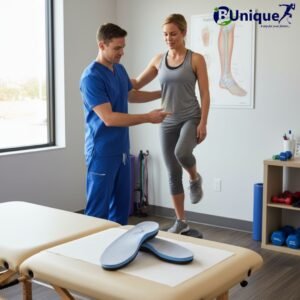
When seeking orthotic care, choosing the best orthotics clinic near me or specifically the best orthotics clinic in Andhra Pradesh ensures professional assessment and customized solutions. For residents of Vijayawada, consulting the best orthotic in Vijayawada provides access to high-quality devices and expert guidance.
Professional clinics can assess your foot structure, recommend appropriate types of orthotic devices, and provide orthotic support for walking and daily activities.
Tips for Using Orthotics Effectively
To maximize the benefits of orthotics:
- Follow Professional Guidance – Always consult a certified practitioner to determine which orthotic solutions for foot problems are suitable.
- Wear Gradually – Start by wearing orthotics for a few hours daily, gradually increasing time to adapt comfortably.
- Combine with Exercise – Pair orthotics and physical therapy exercises to strengthen lower limb muscles.
- Monitor Wear and Tear – Replace orthotics as recommended to maintain effectiveness.
- Check Daily Comfort – Choose the best orthotics for daily comfort based on your activity level and foot condition.
These steps ensure that orthotics provide maximum support, pain relief, and improvement in mobility.
Common Misconceptions About Orthotics
Several misconceptions exist around orthotics:
- Orthotics are only for seniors – In reality, people of all ages can benefit, particularly athletes or individuals with foot conditions.
- Over-the-counter orthotics are always enough – Some conditions require custom orthotics for better movement.
- Orthotics fix problems permanently – Orthotics manage symptoms and improve mobility but often need to be combined with therapy for long-term correction.
Understanding the facts ensures patients use orthotics effectively for improved mobility and reduced pain.
Conclusion: Embracing Orthotics for a Better Life
Understanding what orthotics are and their comprehensive benefits is essential for anyone facing foot, leg, or lower limb issues. Orthotics provide mobility support, improve posture, relieve pain, and enhance stability in daily activities. By consulting professionals and selecting appropriate orthotic devices for lower limbs, individuals can experience significant improvements in comfort, mobility, and overall quality of life.
Whether seeking orthotic treatment for leg and foot pain or exploring preventive options, investing in high-quality orthotics from the best orthotic in Vijayawada or the best orthotics clinic in Andhra Pradesh ensures long-term benefits. Properly used, orthotics can transform how you move, making daily activities more comfortable, stable, and pain-free.
Also Read: Hip Disarticulation : Regaining Life & Movement
👉 Follow Us on Social Media! Stay Connected & Stay Ahead! 👇
📘 Facebook || 📸 Instagram || 💼 LinkedIn || 🎯 Twitter || 📌 Pinterest

0 Comments