
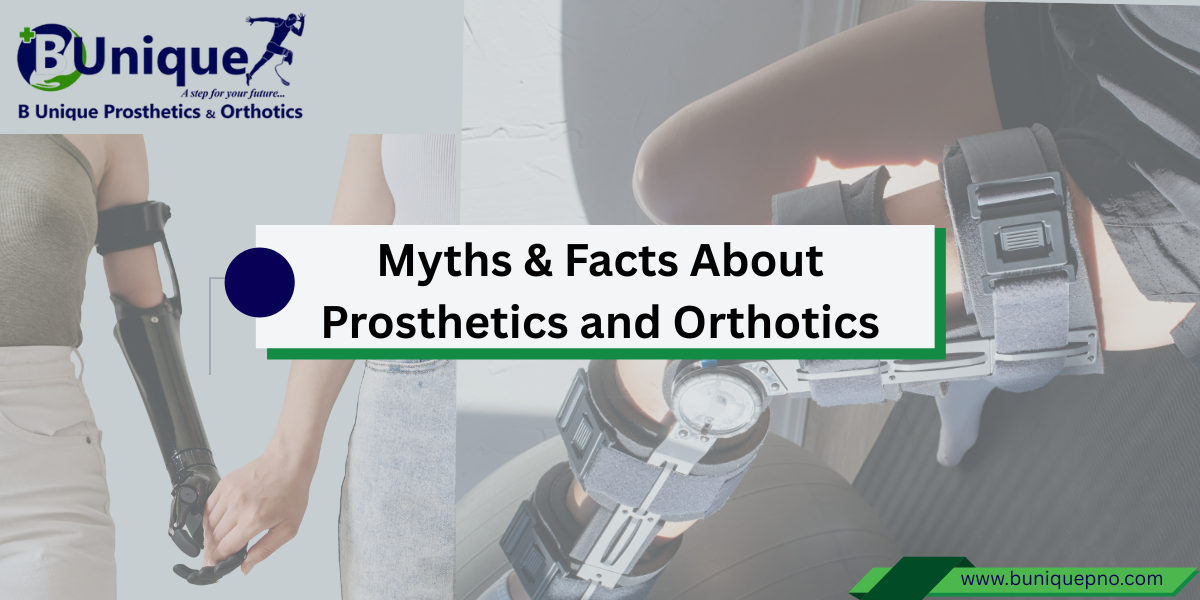
Prosthetics and orthotics have been revolutionary solutions in the world of medical science. These devices empower millions of individuals who face mobility challenges, helping them regain independence and confidence. However, many Myths and Facts About Prosthetics and Orthotics continue to circulate, causing confusion and hesitation for those who could benefit from them.
At B Unique P&O, we specialize in providing customized prosthetic and orthotic solutions designed to enhance mobility and improve the quality of life. In this comprehensive guide, we’ll bust common misconceptions, reveal the truths, and explain how these life-changing devices work.
Understanding Prosthetics vs Orthotics
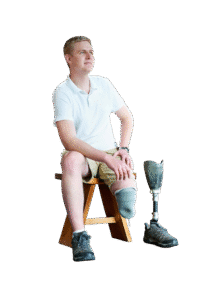
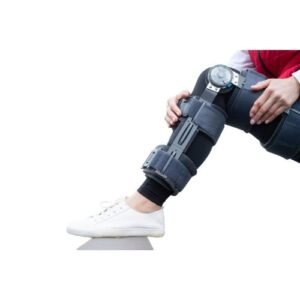 Before diving into the myths and facts, let’s clarify the essential differences between prosthetics and orthotics: Prosthetics are artificial devices designed to replace missing body parts, such as limbs, hands, or feet. Their primary purpose is to restore functionality and enable normal movement.
Orthotics are supportive devices designed to correct, support, or improve the function of existing body parts. They help in stabilizing, aligning, or assisting movement without replacing any body part.
Understanding the Prosthetics vs Orthotics differences is key to dispelling confusion and making informed decisions regarding mobility solutions.
Top 10 Common Myths and the Facts Behind Them
❌ Myth 1: Prosthetics Are Only for Older People
A widely held Prosthetics and Orthotics myth is that prosthetic limbs are designed only for the elderly.
✅ Fact: People of all ages, including young children and athletes, use prosthetic limbs to lead active lives. Technological advancements allow for devices tailored to individual needs, supporting a wide range of activities from walking to sports. Prosthetic limb functionality is designed for dynamic use across all age groups.
❌ Myth 2: Orthotic Devices Are Just Shoe Inserts
Many believe orthotics are limited to shoe inserts.
✅ Fact: Orthotic devices include a variety of supports such as braces, spinal supports, ankle-foot orthoses (AFOs), and custom-made splints. These devices are designed to correct alignment, prevent deformities, and provide stability to the affected area. The field includes complex solutions far beyond simple inserts. Orthotic device facts show they’re integral in treating diverse musculoskeletal conditions.
❌ Myth 3: Prosthetics Are Bulky and Uncomfortable
Some think prosthetics are heavy, cumbersome, and impractical.
✅ Fact: Today’s Prosthetic limb functionality leverages advanced materials like carbon fiber and lightweight metals, offering both durability and comfort. Modern prosthetic limbs are designed to fit perfectly and allow fluid motion, enabling wearers to perform daily activities or athletic feats with ease.
❌ Myth 4: Orthotics Are Only for Injury Recovery
Many assume orthotic devices are used solely for rehabilitation after injuries.
✅ Fact: Orthotics are widely prescribed for long-term management of chronic conditions, including scoliosis, plantar fasciitis, and neurological disorders. They not only assist in injury recovery but also prevent future injuries and improve mobility. This is one of the most overlooked Truths about orthotic devices.
❌ Myth 5: Prosthetics Can’t Handle Active Lifestyles
Another common Prosthetics and Orthotics myth is that prosthetics restrict users from leading active lives.
✅ Fact: Many athletes worldwide use specially designed prosthetic limbs for running, cycling, and swimming. Advanced Prosthetics and Orthotics solutions allow for personalized designs that support high-impact activities, enabling users to pursue passions and hobbies they love.
❌ Myth 6: Orthotic Devices Are Only for the Elderly
Some believe only older adults need orthotics.
✅ Fact: Orthotic devices are beneficial for people of all ages, including children with developmental conditions and young adults with musculoskeletal disorders. Orthotics help provide mobility support and correct alignment for all ages.
❌ Myth 7: Prosthetics Are Only Cosmetic
Many think prosthetics are purely cosmetic and don’t help functionally.
✅ Fact: Prosthetics are specifically designed to restore mobility, balance, and functionality. While cosmetic appearance is a factor, the primary focus is on improving movement and daily life activities. The Benefits of prosthetics and orthotics include restoring walking ability, enabling gripping, and facilitating overall independence.
❌ Myth 8: Orthotics Are Painful to Wear
There’s a misconception that orthotic devices cause discomfort or pain.
✅ Fact: Orthotic devices are custom-fitted and designed to distribute pressure evenly, relieving pain associated with conditions like flat feet, spinal misalignment, and joint instability. The Orthotic solutions for mobility support focus on improving posture and preventing further complications, often making life more comfortable.
❌ Myth 9: Prosthetics Are Extremely Expensive
A persistent belief is that prosthetic devices are unaffordable.
✅ Fact: While some high-tech prosthetics can be costly, many are covered by insurance plans. There are also financial aid programs to assist patients in need. Considering their significant Benefits of prosthetics and orthotics, they are seen as life-changing investments rather than luxuries.
❌ Myth 10: Orthotics Only Support Feet
Some think orthotics only help with foot problems.
✅ Fact: Orthotics are designed to support a range of body parts, including the back, knees, and neck. The field covers everything from custom shoe inserts to full-body braces, ensuring stability and functional improvement across multiple body systems.
How Prosthetics and Orthotics Work
Understanding How prosthetics and orthotics work helps to appreciate their life-enhancing potential.
Prosthetics
Prosthetic devices consist of a socket, suspension system, and the prosthetic limb itself. The socket connects the prosthesis to the residual limb, ensuring comfort and fit. Modern systems incorporate microprocessors and sensors that adjust limb movements in real-time, offering more natural mobility. The result? Enhanced balance, smoother walking patterns, and greater freedom.
Orthotics
Orthotic devices work by applying controlled pressure or support to a specific area of the body. They realign the body, reduce pain, and enhance function by redistributing weight and correcting posture. For example, a spinal orthosis prevents further curvature in scoliosis patients, while an ankle-foot orthosis supports a weak ankle joint.
Benefits of Prosthetics and Orthotics
The Benefits of prosthetics and orthotics extend far beyond simple mobility improvements.
✅ Independence: Enables users to carry out daily activities without reliance on caregivers.
✅ Pain Reduction: Orthotic devices relieve chronic pain from conditions like arthritis and plantar fasciitis.
✅ Psychological Well-being: Regaining mobility improves confidence and reduces feelings of isolation.
✅ Prevention of Further Damage: Orthotics prevent musculoskeletal deformities from worsening.
✅ Enhanced Functionality: Prosthetics allow users to perform tasks such as walking, grasping objects, and even running.
About Prosthetics and Orthotics
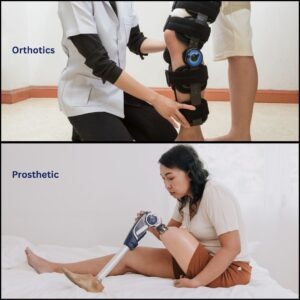
Technology is transforming how prosthetics and orthotics work. Emerging innovations include bionic limbs controlled by nerve impulses, 3D-printed custom orthotic devices, and advanced materials that are lighter and stronger than ever before.
These developments will further blur the lines between natural limbs and their artificial counterparts. As awareness grows and technology evolves, more people will experience the powerful benefits of prosthetics and orthotics.
Conclusion
Understanding the Myths and Facts About Prosthetics and Orthotics is critical for those seeking mobility solutions. By debunking these persistent myths, we can empower individuals to embrace prosthetic and orthotic technology without fear or hesitation.
At B Unique P&O, we are committed to providing expert care, personalized solutions, and the most advanced prosthetic and orthotic devices tailored to individual needs. Whether it’s a custom orthotic support or a high-performance prosthetic limb, we are here to support mobility, independence, and confidence.
If you or a loved one are considering prosthetic or orthotic solutions, trust the expertise of B Unique P&O to guide you through your journey toward enhanced mobility and a better quality of life.
Also Read: Common Conditions That Require Orthotic Support
👉 Follow Us on Social Media! Stay Connected & Stay Ahead! 👇
📘 Facebook || 📸 Instagram || 💼 LinkedIn || 🎯 Twitter || 📌 Pinterest

0 Comments