
Mental Health for Prosthetic Patients: How to Support Emotional Wellbeing
Adapting to life with a prosthetic limb is more than just a physical journey – it’s an emotional one too. Across India and the world, thousands of amputees face unique mental health challenges each year. Yet, despite remarkable advances in prosthetic technology, the emotional aspects are often overlooked. This guide explores Mental Health for Prosthetic Patients, offering practical strategies and support to nurture emotional wellbeing for amputees.
Understanding Mental Health for Prosthetic Patients
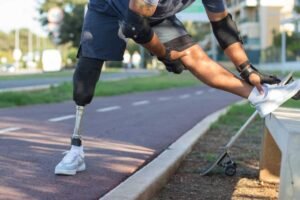
The phrase Mental Health for Prosthetic Patients covers the wide range of feelings, thoughts, and mental challenges that amputees often experience. For many, the loss of a limb can trigger grief, frustration, anxiety, and even depression. While prosthetics help people regain mobility, the journey toward living positively with a prosthetic limb also involves coping with new daily realities.
Amputation changes how people see themselves. A prosthetic patient may feel self-conscious about their appearance or face daily struggles adjusting to mobility aids. That’s why psychological support for prosthetic users is as vital as physical therapy or prosthetic fittings.
Emotional Wellbeing for Amputees: Why It Matters
The impact of emotional wellbeing for amputees extends far beyond mood. Studies show that strong mental health improves rehabilitation outcomes, boosts confidence, and helps people return to normal routines faster. When amputee mental health care is ignored, the risk of social withdrawal, anxiety disorders, and depression after amputation increases.
A holistic approach that includes mental health resources for amputees, regular check-ins, and open conversations can make a huge difference.
Coping with Limb Loss: A Journey, Not a Destination
Adjusting to limb loss is a deeply personal process. Coping with limb loss requires time, patience, and self-compassion. No two experiences are the same – some adapt quickly, while others need months or even years to feel fully comfortable.
One of the most important tips for emotional wellbeing after amputation is acknowledging that it’s okay to grieve. Grief is a natural reaction to losing a body part, just like any other loss. Surrounding yourself with people who understand – like support groups for prosthetic patients – can help ease feelings of isolation.
Finding Psychological Support for Prosthetic Users

Access to psychological support for prosthetic users is crucial but sometimes overlooked. A good prosthetic clinic doesn’t just fit artificial limbs – it should also guide patients to mental health professionals and peer support networks. Many patients benefit from counseling for amputees to talk through fears, sadness, and stress.
Professional counselors understand the complex feelings tied to limb loss. They help patients reframe negative thoughts and build coping strategies. Whether it’s individual therapy or family sessions, counseling for amputees helps people process grief and build resilience.
How Support Groups for Prosthetic Patients Help
Peer connection is powerful. Support groups for prosthetic patients bring together people who truly understand each other’s journey. Sharing stories, struggles, and small victories can boost morale and strengthen hope.
These groups are great places to exchange tips for emotional wellbeing after amputation, find local resources, or simply feel less alone. Many support groups meet online, making them accessible to more people, especially in rural areas.
Battling Depression After Amputation
One of the biggest challenges in Mental Health for Prosthetic Patients is managing depression after amputation. Studies show that amputees are at higher risk for depression compared to the general population. This is why amputee mental health care must be ongoing, not just a one-time conversation.
Families play an important role here. Open communication and encouragement can help the patient feel understood and supported. If signs of depression after amputation persist – like lack of motivation, sleep problems, or withdrawal – professional help is necessary.
Mental Health Resources for Amputees
Thankfully, there are growing mental health resources for amputees. Many prosthetic providers, including B Unique PNO, understand that mental wellbeing is part of the recovery plan. From online counseling to community outreach and rehabilitation psychologists, patients have more options than ever.
Additionally, hospitals often provide psychological support for prosthetic users, connecting them to specialized therapists familiar with the challenges of limb loss.
Counseling for Amputees: What to Expect
Some patients feel nervous about seeking counseling for amputees. It’s normal to wonder: Will they understand my situation? The answer is yes. Many counselors specialize in amputee mental health care and can help patients develop healthy coping mechanisms for dealing with grief, body image issues, or relationship stress.
Sessions may focus on stress management, trauma recovery, and building new life goals – all essential for living positively with a prosthetic limb.
Tips for Emotional Wellbeing After Amputation
Here are practical tips for emotional wellbeing after amputation every patient and family can follow:
✅ Build a Routine: Structure creates normalcy and reduces stress.
✅ Stay Connected: Join support groups for prosthetic patients.
✅ Talk It Out: Use psychological support for prosthetic users when needed.
✅ Celebrate Progress: Small milestones matter.
✅ Stay Active: Gentle physical activity can lift mood.
✅ Seek Help Early: Don’t ignore signs of depression after amputation.
✅ Practice Self-Kindness: Be patient with yourself.
Following these steps helps strengthen Mental Health for Prosthetic Patients, making the journey smoother.
Living Positively with a Prosthetic Limb
Adapting isn’t just about prosthetic fittings – it’s about embracing life again. Living positively with a prosthetic limb means finding purpose, joy, and new goals. It could be pursuing a hobby, returning to work, or inspiring others as a mentor.
Families can support this by being patient and encouraging open conversations about struggles and successes. Good amputee mental health care builds confidence and self-esteem, empowering people to live life on their terms.
Final Thoughts: Supporting Mental Health for Prosthetic Patients
At B Unique PNO, we believe that Mental Health for Prosthetic Patients is as important as providing the perfect prosthetic fit. Our commitment is to stand with every patient – not just for fittings and adjustments, but for their emotional wellbeing too.
By understanding coping with limb loss, using mental health resources for amputees, seeking counseling for amputees, and connecting with support groups for prosthetic patients, anyone can build a life that’s not defined by what’s lost but by what’s possible.
👉 Follow Us on Social Media! Stay Connected & Stay Ahead! 👇
📘 Facebook || 📸 Instagram || 💼 LinkedIn || 🎯 Twitter || 📌 Pinterest

0 Comments