
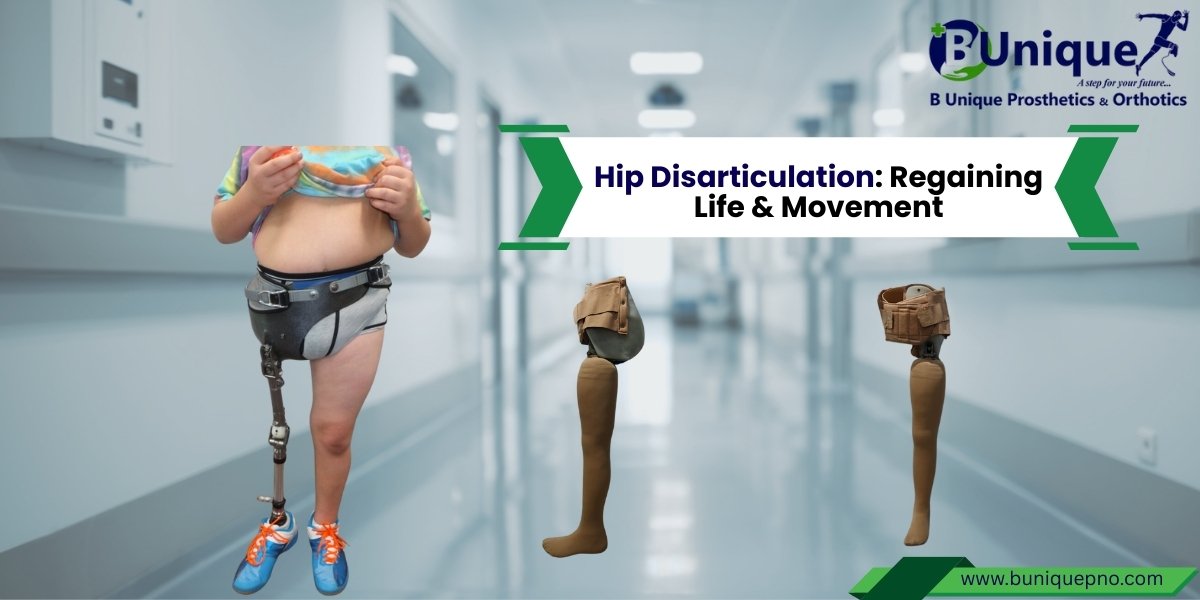
Hip disarticulation is a profound surgical intervention that involves the removal of the entire lower limb at the hip joint. While this procedure is often a last resort due to severe trauma, infection, or malignancy, it marks the beginning of a transformative journey toward regaining life and movement.
In this comprehensive guide, we delve into the multifaceted aspects of hip disarticulation, focusing on the recovery process, prosthetic solutions, rehabilitation, and the psychological impact. Our aim is to provide a holistic understanding of how individuals can reclaim their mobility and quality of life post-surgery.
Understanding Hip Disarticulation
Hip disarticulation involves the surgical removal of the entire lower limb at the hip joint, preserving the pelvis. This procedure is typically considered when other surgical options are not viable due to factors like extensive infection, malignancy, or severe trauma. The surgery requires meticulous planning and execution to ensure the best possible outcome for the patient.
The Recovery Process
The journey to recovery after hip disarticulation is both physically and emotionally challenging. The initial phase focuses on wound healing and managing pain. As the body heals, attention shifts to preparing the residual limb for prosthetic fitting. This involves strengthening the remaining muscles, improving balance, and ensuring the skin is in optimal condition for prosthetic use.
The recovery timeline varies among individuals, but with proper care and rehabilitation, many regain significant mobility and independence.
Prosthetic Solutions for Hip Disarticulation
Advancements in prosthetic technology have significantly improved the quality of life for individuals with hip disarticulation. Modern prosthetic solutions are designed to provide enhanced mobility, comfort, and functionality. These prostheses often incorporate lightweight materials, advanced suspension systems, and myoelectric components that respond to muscle signals, allowing for more natural movement.
At BUnique P&O, we specialize in providing customized prosthetic solutions tailored to the unique needs of each individual. Our team of experts works closely with patients to design and fit prostheses that align with their lifestyle and mobility goals.
Life After Hip Disarticulation
Life after hip disarticulation presents unique challenges, but with the right support and resources, individuals can lead fulfilling lives. The integration of a prosthetic limb plays a crucial role in restoring mobility and independence. Beyond physical adjustments, individuals often need to adapt to changes in their daily routines and activities.
Support from healthcare professionals, family, and peer groups is essential in navigating this transition. Engaging in community activities, pursuing hobbies, and setting new goals can significantly enhance one’s quality of life post-surgery.
Mobility After Hip Disarticulation
Achieving mobility after hip disarticulation requires a combination of prosthetic use, physical therapy, and determination. Rehabilitation programs are tailored to each individual, focusing on strengthening the core, improving balance, and enhancing gait.
With consistent effort and the right support, many individuals with hip disarticulation can walk, participate in recreational activities, and even return to work. The key is to set realistic goals and work progressively toward achieving them.
Hip Disarticulation Rehabilitation
Rehabilitation is a critical component of the recovery process. It encompasses physical therapy to strengthen the body, occupational therapy to adapt daily activities, and psychological support to address emotional well-being.
A multidisciplinary approach ensures that all aspects of recovery are addressed, leading to better outcomes and a smoother transition to life with a prosthetic limb.
Challenges of Hip Disarticulation
While the advancements in surgical techniques and prosthetic technology have improved outcomes, individuals with hip disarticulation face several challenges. These include:
- Physical Challenges: Adjusting to a new center of gravity, learning to balance, and adapting to prosthetic use.
- Emotional Challenges: Dealing with body image changes, potential depression, and the psychological impact of limb loss.
- Social Challenges: Facing societal perceptions and potential stigma associated with visible disabilities.
Addressing these challenges requires a supportive environment, access to resources, and a commitment to personal growth and adaptation.
Hip Disarticulation Prosthetic Fitting
The fitting of a hip disarticulation prosthesis is a meticulous process that involves:
- Initial Assessment: Evaluating the residual limb’s condition, range of motion, and overall health.
- Casting and Molding: Creating a mold of the residual limb to design a custom prosthetic socket.
- Prosthetic Fabrication: Manufacturing the prosthesis using advanced materials and technologies.
- Fitting and Alignment: Ensuring the prosthesis fits comfortably and aligns correctly for optimal function.
- Training and Adjustment: Providing training on prosthetic use and making necessary adjustments for comfort and functionality.
Regular follow-ups are essential to monitor progress and make any needed modifications to the prosthesis.
Psychological Impact of Hip Disarticulation
The psychological impact of hip disarticulation can be profound. Individuals may experience feelings of loss, identity changes, and emotional distress. It’s crucial to address these aspects through counseling, support groups, and mental health services.
Early intervention and continuous psychological support can significantly improve emotional well-being and facilitate a smoother adjustment to life after surgery.
Advances in Hip Disarticulation Prosthetics
Recent advancements in prosthetic technology have led to the development of more functional and comfortable hip disarticulation prostheses. Innovations include:
- Myoelectric Control: Allowing for more natural movement by using muscle signals to control the prosthesis.
- Lightweight Materials: Reducing the overall weight of the prosthesis for increased comfort and mobility.
- Enhanced Suspension Systems: Improving the fit and stability of the prosthesis during movement.
These advancements contribute to better outcomes and a higher quality of life for individuals with hip disarticulation.
Conclusion
Hip disarticulation is a life-altering procedure that requires a comprehensive approach to recovery. Through advanced prosthetic solutions, dedicated rehabilitation, and psychological support, individuals can regain mobility and lead fulfilling lives.
At BUnique P&O, we are committed to providing personalized care and innovative prosthetic solutions to support individuals on their journey to regaining life and movement. If you or a loved one is navigating life after hip disarticulation, we are here to help.
For more information on our services and how we can assist you, visit https://buniquepno.com/hips-prosthesis/
Also Read: Common Conditions That Require Orthotic Support
👉 Follow Us on Social Media! Stay Connected & Stay Ahead! 👇
📘 Facebook || 📸 Instagram || 💼 LinkedIn || 🎯 Twitter || 📌 Pinterest

0 Comments