
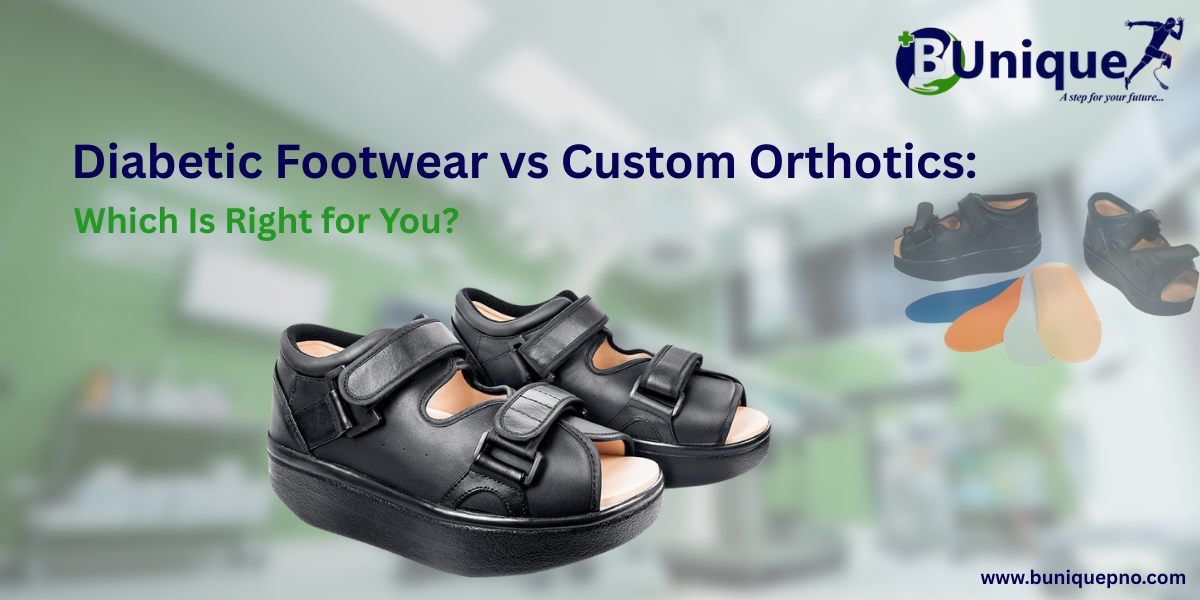
Living with diabetes means paying close attention to your feet. From nerve damage to circulation issues, even a small blister can turn into a serious problem if not managed properly. That’s why choosing the right footwear is so important for anyone with diabetes. But with so many options available – especially between diabetic footwear vs custom orthotics – it can be hard to know which one best suits your needs.
Both solutions are designed to improve comfort, protect sensitive feet, and prevent complications. However, they serve slightly different purposes. In this blog, we’ll break down the differences, benefits, and usage of diabetic footwear for neuropathy and custom orthotics for foot support, so you can make an informed choice for your long-term foot health.
Understanding Diabetic Footwear and Custom Orthotics
Before diving into the comparison of diabetic footwear vs custom orthotics, it’s important to understand what each option actually means.
What Is Diabetic Footwear?
Diabetic footwear for neuropathy is specially designed to reduce pressure points, prevent friction, and enhance circulation. It provides a protective environment for sensitive feet prone to ulcers or wounds. These therapeutic diabetic shoes often include extra depth, soft interiors, seamless linings, and wide toe boxes to prevent rubbing and irritation.
Their goal is simple – diabetic foot protection footwear that supports daily movement while minimizing injury risk.
What Are Custom Orthotics?
Custom orthotics for foot support are individually crafted inserts designed to correct biomechanical issues like overpronation, high arches, or flat feet. Unlike store-bought insoles, custom-made orthotics for foot deformities are tailored to your unique foot structure and walking pattern.
They’re especially beneficial for people who have orthotics for high arches and flat feet, heel pain, or balance problems – all of which can be aggravated by diabetes.
Diabetic Footwear vs Custom Orthotics: The Core Difference
When comparing diabetic footwear vs custom orthotics, it’s essential to understand that diabetic shoes focus on protection, while orthotics focus on correction.
- Diabetic footwear acts as a shield, preventing injuries, calluses, or pressure sores.
- Custom orthotics act as a support system, aligning your foot structure to reduce strain and improve mobility.
In many cases, people benefit from using orthotic inserts for diabetes along with therapeutic diabetic shoes for complete protection and comfort. However, knowing when to use each is key.
Benefits of Diabetic Footwear
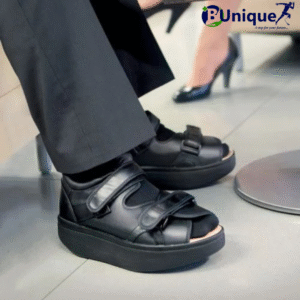
Wearing diabetic footwear for neuropathy offers numerous benefits beyond comfort. Here’s why these shoes are often recommended by podiatrists and orthotists alike:
- Pressure Distribution: They evenly distribute body weight, reducing stress on the heels and forefoot.
- Ulcer Prevention: They are designed as diabetic foot ulcer prevention footwear, minimizing the risk of blisters and wounds.
- Enhanced Circulation: The breathable materials promote better airflow and reduce sweating.
- Shock Absorption: Extra cushioning softens impact while walking.
- Protection for Neuropathy: With less sensation in the feet, diabetic foot protection footwear helps prevent unnoticed injuries.
The benefits of diabetic footwear are especially vital for individuals with numbness, swelling, or reduced sensation due to diabetic neuropathy. Investing in the best footwear for diabetic feet is a preventive step toward maintaining long-term foot health.
Benefits of Custom Orthotics
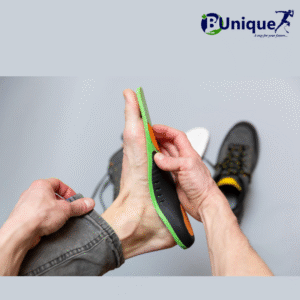
Just like diabetic shoes, custom orthotics for foot support have their unique advantages.
- Personalized Fit: They are molded to your foot, ensuring comfort and maximum stability.
- Pain Relief: They alleviate pain caused by poor alignment, plantar fasciitis, and joint stress.
- Improved Balance: By correcting posture, they help reduce the risk of falls.
- Support for Deformities: Custom-made orthotics for foot deformities correct biomechanical irregularities.
- Versatile Use: They can be inserted into various types of shoes, including therapeutic diabetic shoes.
The benefits of custom orthotics go beyond diabetes management — they enhance daily mobility and reduce fatigue for people of all ages.
Diabetic Shoes vs Orthotics Comparison: Which One Do You Need?
Let’s break down a detailed diabetic shoes vs orthotics comparison to help you decide which is better for your condition.
| Feature | Diabetic Footwear | Custom Orthotics |
| Primary Purpose | Protect diabetic feet from injury and ulcers | Correct alignment and provide arch support |
| Ideal For | People with neuropathy, swelling, or poor circulation | People with flat feet, high arches, or deformities |
| Material | Soft, cushioned, and seamless | Firm support materials molded to foot shape |
| Customization | Comes in various sizes and fits | Fully customized to your foot structure |
| Common Users | Diabetics with sensitive feet | Diabetics or non-diabetics with biomechanical issues |
In short, diabetic footwear for neuropathy is best for protection, while custom orthotics for foot support are ideal for correction and alignment. Many patients use both together for maximum comfort and safety.
How to Choose Diabetic Footwear
When wondering how to choose diabetic footwear, always prioritize comfort, fit, and function. Here’s what to look for:
- Wide Toe Box: Prevents crowding and friction between toes.
- Soft Interior: Reduces the chance of skin irritation or blisters.
- Adjustable Closures: Velcro or straps offer flexibility for swollen feet.
- Non-slip Soles: Ensures stability and balance.
- Removable Insoles: Allows space for orthotic inserts for diabetes if needed.
A professional fitting by a prosthetist or orthotist at centers like B Unique PNO ensures that your shoes are tailored to your individual needs, providing the perfect balance of comfort and protection.
When to Use Custom Orthotics
Knowing when to use custom orthotics can make all the difference in preventing long-term foot complications. You should consider orthotics if you experience:
- Persistent foot pain or discomfort
- Uneven shoe wear patterns
- High arches or flat feet
- Difficulty walking or balancing
- Pressure sores or corns despite wearing proper footwear
If you have diabetes, orthotics can work hand-in-hand with therapeutic diabetic shoes to relieve pain and improve alignment. Orthotics are also a must for people dealing with custom-made orthotics for foot deformities, helping to maintain comfort and stability.
Foot Care for Diabetes: Why It Matters
Proper foot care for diabetes is not optional – it’s essential. High blood sugar can damage nerves (neuropathy) and blood vessels, making the feet more prone to infections and ulcers. Here’s how footwear and orthotics play a role:
- Diabetic footwear for neuropathy reduces injury risk.
- Custom orthotics for foot support improve walking posture and reduce strain.
- Diabetic foot protection footwear keeps the feet cushioned and safe from impact.
Routine checkups, daily foot inspections, and wearing the best footwear for diabetic feet all contribute to better overall health and mobility.
Diabetic Foot Ulcer Prevention Footwear: A Lifesaver for Many
Foot ulcers are one of the most dangerous complications of diabetes. Wearing diabetic foot ulcer prevention footwear can drastically reduce this risk. These shoes are designed to:
- Prevent friction and pressure on vulnerable areas.
- Provide extra cushioning for sensitive feet.
- Reduce the risk of skin breakdown or wounds.
Pairing this with orthotic inserts for diabetes ensures your feet stay aligned and supported, reducing pain and fatigue during long hours of standing or walking.
Orthotics for High Arches and Flat Feet
Many diabetic patients also suffer from foot structural issues like high arches or flat feet. Orthotics for high arches and flat feet help distribute pressure evenly and improve walking balance. They prevent joint stress, reduce callus formation, and enhance comfort throughout the day.
These orthotics are often customized using precise molds or 3D scans, ensuring the perfect fit for your unique foot shape. Combined with therapeutic diabetic shoes, they provide unbeatable protection and comfort.
Professional Guidance: Why Visit B Unique PNO
At B Unique PNO, we specialize in personalized prosthetic and orthotic solutions that restore comfort, function, and confidence. Our experts assess your gait, pressure points, and structural needs to recommend whether diabetic footwear vs custom orthotics is the right choice for you — or a combination of both.
We provide:
- Expert consultation for diabetic and orthopedic conditions.
- Custom-made orthotics for foot deformities.
- Therapeutic diabetic shoes that meet international safety standards.
- Comprehensive gait analysis to ensure proper alignment and comfort.
Your foot health is our priority — because every step matters.
Conclusion
When it comes to diabetic footwear vs custom orthotics, there’s no one-size-fits-all answer. Both play a vital role in protecting and supporting your feet — but the best choice depends on your individual condition.
If your main concern is foot care for diabetes, injury prevention, or ulcer protection, diabetic footwear for neuropathy is the ideal choice. However, if you struggle with pain, misalignment, or deformities, custom orthotics for foot support can make a life-changing difference.
At B Unique PNO, our specialists are here to help you find the perfect balance between comfort, safety, and mobility. Don’t risk your health with ill-fitting shoes — step into the right support today.
Also Read: Prosthetic and Orthotic Device Care: How to Maintain and Ensure Long Life
👉 Follow Us on Social Media! Stay Connected & Stay Ahead! 👇
📘 Facebook || 📸 Instagram || 💼 LinkedIn || 🎯 Twitter || 📌 Pinterest

0 Comments