
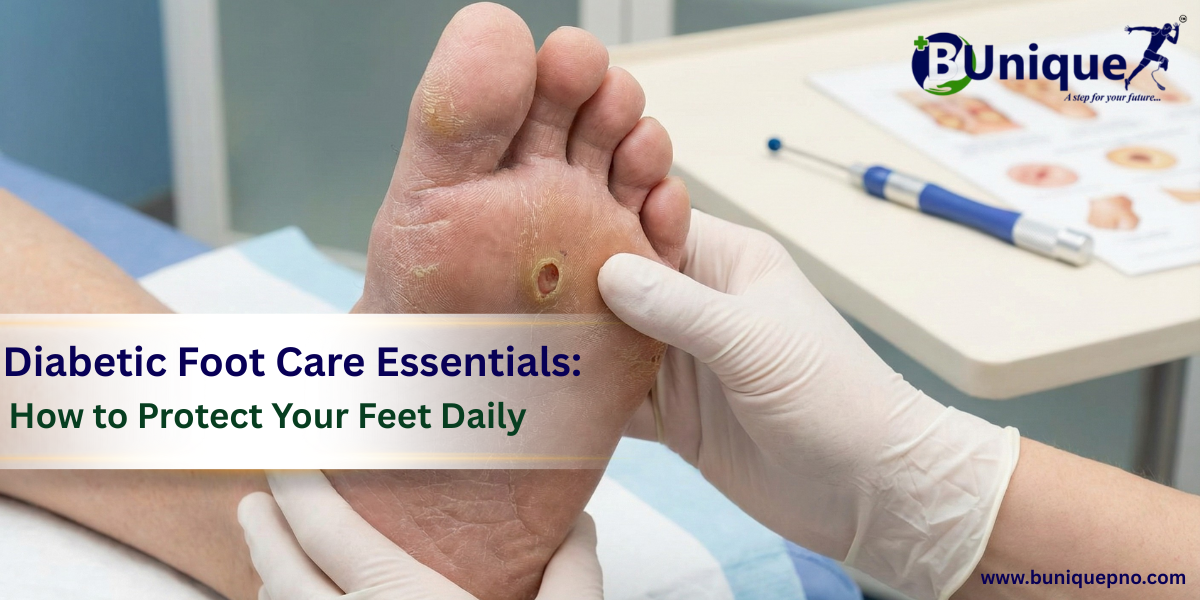
For individuals living with diabetes, foot health isn’t just a routine task — it’s a daily priority that can prevent infections, injuries, and long-term complications. Proper Diabetic foot care ensures that your mobility, comfort, and independence remain intact as you move through your day. At Bunique.com, where prosthetics and orthotics expertise supports better mobility, understanding foot health is just as important as finding the right assistive solutions.
In this comprehensive guide, we explore Diabetic foot care essentials, effective daily foot care for diabetes, and diabetic foot protection tips that can significantly reduce risks associated with nerve damage, circulation issues, and ulcer formation.
Why Diabetic Foot Care Matters Every Single Day
Living with diabetes affects the nerves and blood vessels, especially in your feet. Reduced sensation and slower healing create an environment where even minor issues can escalate. This is why Diabetic foot care is not optional — it is a daily commitment.
Following a proper foot care routine for diabetics plays a powerful role in preventing diabetic foot problems and maintaining long-term mobility. Whether you experience early signs of neuropathy or simply want to maintain strong foot health, knowing how to protect diabetic feet is the first step toward a safer, more active lifestyle.
1. Inspect Your Feet Daily — The First Line of Defense
A huge part of caring for diabetic feet daily involves examining your feet every morning or evening.
Look for:
- Blisters
- Cracks
- Red spots
- Swelling
- Cuts or abrasions
Because diabetic neuropathy reduces sensation, you may not feel injuries forming. A consistent inspection routine ties directly into diabetic foot protection tips by helping you spot issues early.
This simple habit is among the best practices for diabetic foot care, ensuring that minor concerns don’t develop into ulcers or infections.
2. Prioritize Foot Hygiene for Diabetes
Clean, dry feet are less prone to bacterial and fungal infections. Practicing proper foot hygiene for diabetes includes:
- Washing feet daily with warm (not hot) water
- Using mild soap
- Drying thoroughly, especially between the toes
Good hygiene supports avoiding diabetic foot infections, which is one of the most important goals in diabetic foot self-care tips.
Including hygienic habits in your everyday routine strengthens Diabetic foot care essentials, giving your skin a healthier barrier against irritation and microorganisms.
3. Moisturize — But Carefully
While moisturizing prevents cracks, you should never apply lotion between the toes, as this can cause fungal infections. A well-balanced moisturizing routine forms part of daily foot care for diabetes, especially for individuals with dry skin caused by poor circulation.
Proper hydration also contributes to diabetic foot complications prevention, making it easier for the skin to withstand pressure and friction.
4. Choose the Right Footwear and Orthotics
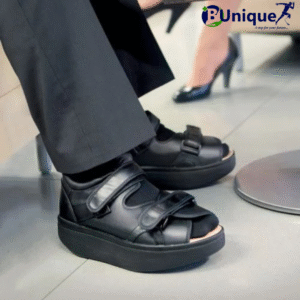
Footwear has a major influence on diabetic foot care. Shoes must fit well, provide support, and protect the feet from unnecessary pressure.
What to look for:
- Soft, seamless interiors
- Wide toe boxes
- Cushioned insoles
- Proper arch support
Using custom orthotics or protective insoles is one of the top diabetic foot protection tips, especially for individuals with neuropathy or deformities. This is where expertise from prosthetics and orthotics professionals — like those associated with Bunique.com — becomes invaluable.
Orthotic devices not only enhance comfort but also assist in preventing diabetic foot problems, supporting alignment, and reducing hotspots that may lead to ulcers.
5. Trim Nails Safely — Or Let a Professional Help
Improper nail trimming is a common cause of injury. Always cut nails straight across and avoid digging into corners. When in doubt, book a podiatry visit. Safe trimming is a core component of safe foot care for diabetics and reduces the likelihood of ingrown nails.
This ties directly into how to protect diabetic feet, as even small nail injuries can have serious consequences.
6. Maintain Proper Circulation
Poor blood flow is one of the primary causes of diabetic foot complications, making circulation-boosting habits critical.
Try the following:
- Avoid sitting cross-legged for long periods
- Wiggle your toes and rotate your ankles regularly
- Walk frequently to improve blood flow
- Use prescribed orthotic footwear to encourage natural movement
These habits fit into diabetes foot health tips and are daily contributors to caring for diabetic feet daily.
7. Protect Your Feet from Extreme Temperatures
Neuropathy affects temperature sensing, so you may not realize when surfaces are too hot or too cold. To follow Diabetic foot care essentials, avoid:
- Heating pads
- Hot water bottles
- Walking barefoot
- Stepping on cold tiles without slippers
Thermal injuries are common in diabetics, and protecting your feet from extremes is one of the best diabetic neuropathy foot care strategies.
8. Never Walk Barefoot — Indoors or Outdoors
You might not feel stepping on sharp objects, which makes walking barefoot a risky behavior. Wearing socks or slippers reduces the chances of cuts, preventing injury and supporting diabetic foot self-care tips.
This is essential in avoiding diabetic foot infections and maintaining everyday safety.
9. Create a Consistent Foot Care Routine for Diabetics
A structured foot care routine for diabetics ensures you don’t miss any critical practices during busy days.
Your daily routine should include:
- Inspection
- Washing and drying
- Moisturizing
- Checking footwear
- Gentle stretching for circulation
These habits align with best practices for diabetic foot care and are proven methods for preventing diabetic foot problems.
10. Recognize Early Warning Signs of Diabetic Foot Complications
Immediate medical attention is needed if you notice:
- Persistent redness
- Non-healing wounds
- Swelling
- Unusual warmth
- Pain or tenderness
- Fluid discharge
Understanding symptoms is part of diabetic foot complications prevention. Early treatment prevents more serious conditions like ulcers, infections, or even amputations.
11. When to Visit a Specialist
Professional assessments ensure that your foot health is monitored with precision. Specialists in prosthetics and orthotics — such as the experts connected with Bunique.com — play an essential role in managing Diabetic foot care, especially for patients with:
- Toe deformities
- High or low arches
- Pressure points
- Loss of sensation
- Difficulty finding proper footwear
Professional guidance enhances every aspect of how to protect diabetic feet, providing tailored solutions for long-term safety.
The Connection Between Prosthetics, Orthotics & Diabetic Foot Care
Individuals with severe neuropathy or deformities may require specialized orthotic devices to offload pressure. In more advanced cases, prosthetic solutions may become necessary.
At Bunique.com, the focus on mobility, support, and customized care ensures that diabetic individuals receive the most suitable devices.
Orthotic solutions contribute to:
- Foot realignment
- Pressure distribution
- Ulcer reduction
- Improved gait
- Enhanced comfort
This is why diabetic neuropathy foot care often includes orthotic intervention to maintain foot health and prevent complications.
Final Thoughts: Protecting Your Feet Daily Protects Your Future
Diabetes affects the entire body, but its impact on the feet can be especially significant. Practicing consistent Diabetic foot care empowers you to maintain mobility, avoid infections, and safeguard your independence.
By following daily foot care for diabetes, adopting diabetic foot protection tips, and staying committed to caring for diabetic feet daily, you reduce risks and ensure a healthier, safer lifestyle.
Remember — your feet support you every step of the way. Treat them with the care they deserve.
For more foot health guidance and advanced orthotic solutions, visit Bunique.com.
Also Read: AFO ankle-foot orthosis: Uses, Benefits & Best Practices
👉 Follow Us on Social Media! Stay Connected & Stay Ahead! 👇
📘 Facebook || 📸 Instagram || 💼 LinkedIn || 🎯 Twitter || 📌 Pinterest


0 Comments