
Introduction
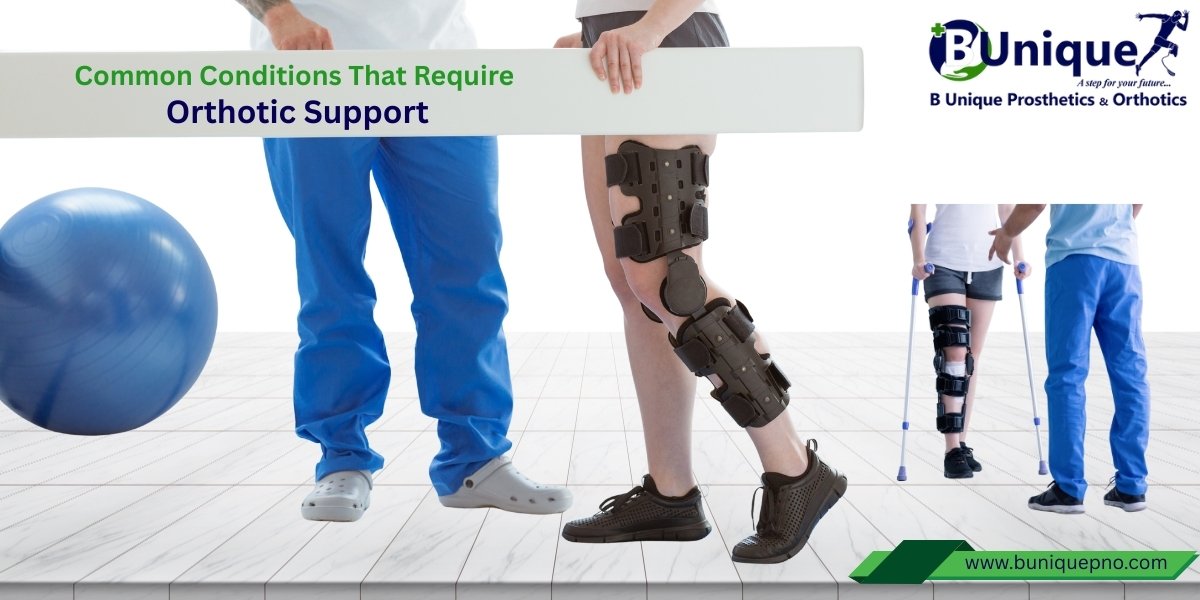
Our feet and lower limbs carry us through every step of life. But when discomfort, pain, or medical conditions interfere with mobility, Orthotic Support can make all the difference. Orthotics are specialized devices designed to provide stability, alignment, and comfort for individuals facing various musculoskeletal or neurological conditions.
From orthotic support for flat feet to post-surgery orthotic support, these devices are not just for pain management but also for preventing further complications, improving posture, and restoring independence. At B Unique Prosthetics & Orthotics, we understand that every condition is unique-and so are the solutions we provide.
In this blog, we’ll explore the common conditions that require orthotic support, how orthotics address them, and why investing in customized orthotic solutions is one of the best decisions for long-term health and mobility.
1. Flat Feet and Orthotic Support
Flat feet, also known as fallen arches, is one of the most common conditions that requires orthotic support for flat feet. When the arches of the feet collapse, the entire foot touches the ground, causing strain on muscles, ligaments, and joints.
- How orthotics help:
Custom insoles provide proper arch support, realign the foot structure, and reduce strain on the knees and lower back. - Long-term benefits:
Regular use of orthotic support not only eases discomfort but also prevents further complications like shin splints or knee pain.
For many, investing in orthotic support for flat feet is the first step towards long-term foot pain relief with orthotics.
2. Plantar Fasciitis: A Painful Condition That Needs Orthotics
Plantar fasciitis is characterized by sharp heel pain caused by inflammation of the plantar fascia, a thick band of tissue running across the bottom of your foot.
- Orthotics for plantar fasciitis provide targeted heel and arch support, reducing pressure on the inflamed tissue.
- They encourage proper alignment and reduce stress with every step.
- Many patients find that foot pain relief with orthotics is one of the fastest and most effective ways to manage this chronic condition.
With consistent use, orthotics for plantar fasciitis can speed up healing, improve daily comfort, and even help athletes return to their activities safely.
3. Orthotic Support for Diabetic Foot
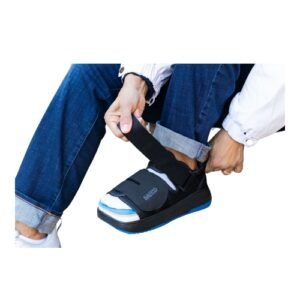
Diabetes often brings with it a host of foot-related complications-from neuropathy (loss of sensation) to ulcers and infections. For diabetic patients, orthotics for diabetic foot are not optional but essential.
- Benefits:
- Reduce pressure points.
- Prevent wounds and ulcers.
- Distribute body weight evenly across the foot.
- Importance:
Regular orthotic support can prevent serious complications, including infections and amputations.
For diabetic patients, investing in orthotics for diabetic foot is a preventive measure that saves both pain and long-term medical costs.
4. Arthritis and the Role of Custom Orthotics
Arthritis, particularly in the foot and ankle, can cause chronic pain, stiffness, and reduced mobility. Custom orthotics for arthritis are designed to minimize joint stress while maximizing comfort.
- Advantages of custom orthotics:
- Redistribute body weight to relieve pressure on arthritic joints.
- Improve alignment and stability.
- Enable greater independence in daily movement.
Many individuals with arthritis experience significant improvement in their quality of life when they rely on orthotic support tailored to their condition.
5. Ankle and Knee Problems Requiring Orthotic Support
Injury, ligament damage, or chronic conditions like osteoarthritis can lead to ankle and knee instability. That’s where ankle and knee orthotic solutions come in.
- Ankle orthoses provide stability and prevent excessive movement that may worsen injuries.
- Knee orthotics offer support during rehabilitation or chronic conditions, reducing pain and encouraging natural movement.
Whether it’s recovery after an injury or managing long-term instability, ankle and knee orthotic solutions provide the necessary reinforcement to restore confidence and mobility.
6. Pediatric Orthotic Conditions
Children, too, can benefit from orthotic support. Certain pediatric conditions like cerebral palsy, clubfoot, or developmental delays often require early interventions.
- Pediatric orthotic conditions such as in-toeing, out-toeing, or weak arches can be corrected or managed with the right devices.
- Orthotics help children achieve better posture, mobility, and independence in their developmental years.
Addressing pediatric orthotic conditions early ensures long-term benefits and prevents complications in adulthood.
7. Post-Surgery Orthotic Support
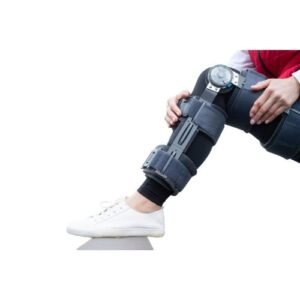
Recovery after orthopedic surgery often requires external support for proper healing. Post-surgery orthotic support plays a critical role here.
- After procedures such as ACL repair, hip replacement, or fracture surgery, orthotic devices stabilize the affected area.
- Post-surgery orthotic support minimizes strain, reduces pain, and encourages safe, controlled movement during recovery.
Without proper orthotic support, healing can be delayed or compromised. That’s why surgeons often recommend orthotics as part of rehabilitation.
8. Back Pain and Orthotics
Surprisingly, many cases of chronic back pain originate from poor foot posture or imbalances in walking patterns. Back pain and orthotics are closely connected.
- Orthotic devices correct foot posture, which in turn aligns the spine properly.
- With the right orthotic support, strain on the lower back muscles reduces significantly.
- Long-term use of back pain and orthotics helps prevent recurring pain and postural issues.
For patients struggling with persistent discomfort, foot pain relief with orthotics often leads to reduced back pain as well.
9. Lower Limb Conditions and Orthotic Devices
From injuries to neurological conditions, the need for lower limb orthotic devices is vast. These devices provide structural stability and improve mobility for those with compromised leg function.
- Examples include: braces for polio survivors, orthotics for multiple sclerosis patients, and supports for athletes recovering from injury.
- The right lower limb orthotic devices ensure patients can walk with greater ease, reduce dependency, and regain independence.
At B Unique Prosthetics & Orthotics, we specialize in providing customized lower limb orthotic devices designed to meet each patient’s unique requirements.
10. How Orthotic Support Improves Quality of Life
The real value of Orthotic Support lies in the transformation it brings to everyday life:
- Pain relief: Whether it’s heel, knee, or back pain, orthotics alleviate discomfort.
- Better mobility: Walking, running, or even standing becomes easier.
- Improved posture: Proper alignment prevents future complications.
- Independence: From children to seniors, orthotics empower individuals to live fuller lives.
Whether it’s orthotics for plantar fasciitis or orthotic support for flat feet, the impact goes beyond the feet-it affects overall health and well-being.
Conclusion
Orthotic Support is not just a medical solution – it’s a life-changing intervention. From orthotics for diabetic foot to custom orthotics for arthritis, the right device can mean the difference between pain and comfort, dependence and independence.
At B Unique Prosthetics & Orthotics (www.buniquepno.com), we are committed to delivering world-class orthotic solutions designed around your unique needs. Whether you need ankle and knee orthotic solutions, post-surgery orthotic support, or specialized devices for pediatric orthotic conditions, our expert team is here to help.
Don’t let pain or mobility challenges hold you back. Invest in the right orthotic support today and take the first step toward a healthier, more confident tomorrow.
Also Read: How to Care for Your Prosthetic Limb: Daily Maintenance Tips
👉 Follow Us on Social Media! Stay Connected & Stay Ahead! 👇
📘 Facebook || 📸 Instagram || 💼 LinkedIn || 🎯 Twitter || 📌 Pinterest

0 Comments