
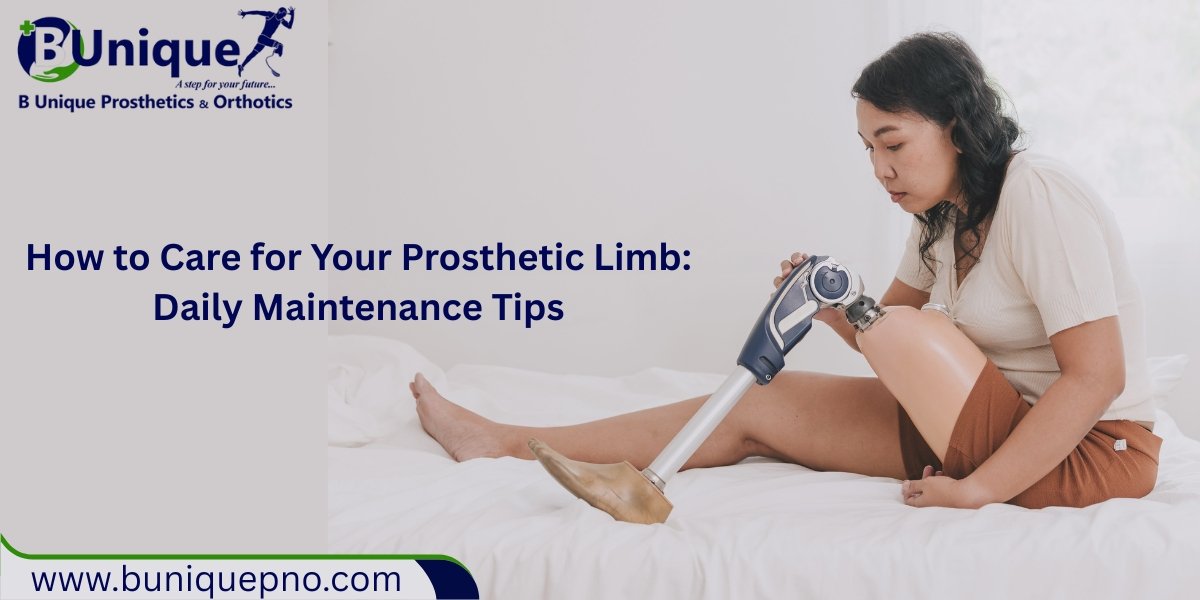
Owning a prosthetic limb is not just about wearing it-it’s about ensuring it stays comfortable, functional, and safe for daily use. Proper prosthetic limb maintenance not only extends the life of your device but also protects your skin and overall health. Whether you’ve been a prosthetic user for years or are just starting your journey, knowing the right care techniques is essential.
In this guide, we’ll walk you through daily care for prosthetic limb health, explain how to clean a prosthetic limb, share practical prosthesis hygiene tips, and cover all the best practices for prosthetic users to help you get the most out of your device.
Why Prosthetic Limb Maintenance Matters
Your prosthesis is a vital part of your mobility and independence. Without regular prosthetic limb maintenance, you could experience discomfort, reduced functionality, or even infections. Problems like avoiding wear and tear in prosthetics and preventing skin irritation from prosthetics start with how well you follow your prosthetic limb care routine.
A well-maintained limb means:
- Better fit and comfort.
- Lower repair and replacement costs.
- Longer device lifespan.
- Improved hygiene and skin health.
That’s why daily attention matters-because small efforts today save you from big issues tomorrow.
1. Daily Care for Prosthetic Limb Health
A consistent prosthetic limb care routine keeps your device in top shape and prevents unnecessary damage. Start by dedicating a few minutes every day to check your limb and socket.
Daily steps to follow:
- Visual Inspection – Look for cracks, dents, or loose parts.
- Socket Check – Ensure proper alignment and no debris inside.
- Skin Check – Watch for redness or irritation caused by friction.
By making daily care for prosthetic limb health a habit, you minimize the risks of breakdowns and ensure comfortable wear all day.
2. How to Clean a Prosthetic Limb
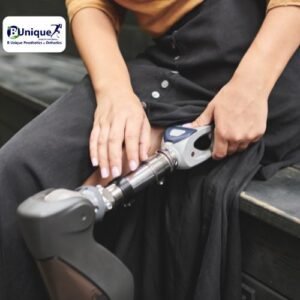
Cleaning is a core part of prosthetic limb maintenance. Dirt, sweat, and bacteria can accumulate quickly, especially if you’re active.
Here’s how to clean a prosthetic limb effectively:
- Detach removable liners or sleeves (if applicable).
- Wash the liner with mild soap and warm water-never use harsh chemicals.
- Wipe the prosthetic frame with a damp cloth and gentle cleanser.
- Dry thoroughly before reassembling.
This cleaning habit doubles as one of the most important prosthesis hygiene tips, ensuring you avoid unpleasant odors and bacterial growth.
Extra tip: Set aside a specific time daily for prosthetic socket cleaning-for example, right before bed-so you never forget.
3. Prosthesis Hygiene Tips for Healthy Skin
Even the best-fitted prosthesis can cause irritation if hygiene is neglected. Following proper prosthesis hygiene tips is crucial for preventing skin irritation from prosthetics.
Here’s what to do:
- Wash your residual limb daily with antibacterial soap.
- Keep the skin dry before wearing your limb to prevent moisture buildup.
- Use hypoallergenic lotions to maintain skin elasticity.
- Avoid scented products that could trigger allergies.
The connection between maintaining artificial limbs and personal hygiene is direct – clean equipment means a healthy user.
4. Maintaining Artificial Limbs for Longevity
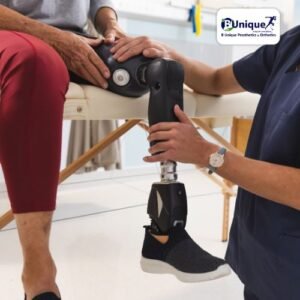
High-quality prosthetics are an investment. To protect yours, you need a proper strategy for maintaining artificial limbs and avoiding wear and tear in prosthetics.
Maintenance tips:
- Don’t over-tighten screws or straps; follow the manufacturer’s settings.
- Keep moving parts lubricated (as per manufacturer instructions).
- Store your limb in a cool, dry place away from direct sunlight.
- Avoid exposing your prosthetic to chemicals or saltwater without proper cleaning afterward.
Small habits make a big difference when it comes to tips for long-lasting prosthetic use.
5. Preventing Skin Irritation from Prosthetics
Skin irritation is one of the most common challenges prosthetic users face. Good prosthetic limb maintenance includes protecting your skin from unnecessary stress.
Prevention checklist:
- Check socket fit regularly-loose or tight sockets cause friction.
- Keep your liner clean and replace it when worn out.
- Use moisture-wicking socks to reduce sweat.
- Seek adjustments from your prosthetist at the first sign of persistent irritation.
By focusing on preventing skin irritation from prosthetics, you maintain both comfort and mobility.
6. Prosthetic Socket Cleaning: The Right Way
Prosthetic socket cleaning is not optional-it’s the core of your prosthetic limb care routine. The socket is in constant contact with your skin, so any buildup of sweat or bacteria can lead to discomfort and infection.
Best cleaning method:
- Use warm water and mild soap for daily cleaning.
- Rinse thoroughly to remove all soap residue.
- Wipe dry with a soft cloth before wearing again.
Remember, how to clean a prosthetic limb always starts with keeping the socket fresh and hygienic.
7. Tips for Long-Lasting Prosthetic Use
Want your prosthetic to last for years? Follow these tips for long-lasting prosthetic use alongside your prosthetic limb maintenance habits:
- Stick to your manufacturer’s care guidelines.
- Attend regular check-ups with your prosthetist.
- Replace worn-out parts immediately.
- Avoid unnecessary strain-don’t use your prosthetic for activities it’s not designed for.
Combine these with best practices for prosthetic users and you’ll enjoy maximum durability.
8. Avoiding Wear and Tear in Prosthetics
Everyday use naturally causes some wear, but you can slow the process. Avoiding wear and tear in prosthetics comes down to being mindful in your daily activities.
Practical tips:
- Don’t drop or knock your prosthesis against hard surfaces.
- Be careful when walking on rough terrain.
- Regularly check mechanical joints and fasteners.
- Store it securely when not in use.
By following these steps, you’re actively maintaining artificial limbs for peak performance.
9. Best Practices for Prosthetic Users
Whether you’ve just started using a prosthesis or have been using one for years, following best practices for prosthetic users ensures you get the most out of your device:
- Stick to your prosthetic limb care routine without fail.
- Report any unusual noises or changes in fit to your prosthetist.
- Keep spare socks and liners handy for mid-day changes.
- Educate yourself on prosthesis hygiene tips to maintain both the limb and your health.
The more disciplined you are, the more reliable your prosthetic will be.
Daily Prosthetic Limb Care Routine Example
To simplify things, here’s a quick daily checklist for prosthetic limb maintenance:
Morning:
- Wash and dry your residual limb.
- Inspect prosthetic socket and liner for cleanliness.
- Wear with clean socks/liner.
Midday:
- Remove prosthesis briefly to allow skin to breathe.
- Replace liner or sock if damp.
Night:
- Remove prosthesis and clean thoroughly.
- Wipe the frame, clean the liner, and perform prosthetic socket cleaning.
- Store in a safe, dry place.
Final Thoughts
Your prosthetic is more than a mobility device-it’s a part of your daily life. By prioritizing prosthetic limb maintenance, following daily care for prosthetic limb health, applying prosthesis hygiene tips, and learning how to clean a prosthetic limb effectively, you ensure both comfort and durability.
From maintaining artificial limbs to avoiding wear and tear in prosthetics, the habits you develop now will determine your experience years down the line. Keep up with your prosthetic limb care routine, focus on preventing skin irritation from prosthetics, and follow best practices for prosthetic users-your future self will thank you.
Also Read: Mental Health for Prosthetic Patients: How to Support Emotional Wellbeing
👉 Follow Us on Social Media! Stay Connected & Stay Ahead! 👇
📘 Facebook || 📸 Instagram || 💼 LinkedIn || 🎯 Twitter || 📌 Pinterest


0 Comments